Keeping Your Windshield Clear During Houston’s Pollen Season
Why Pollen Season Hits Your Drive Hard
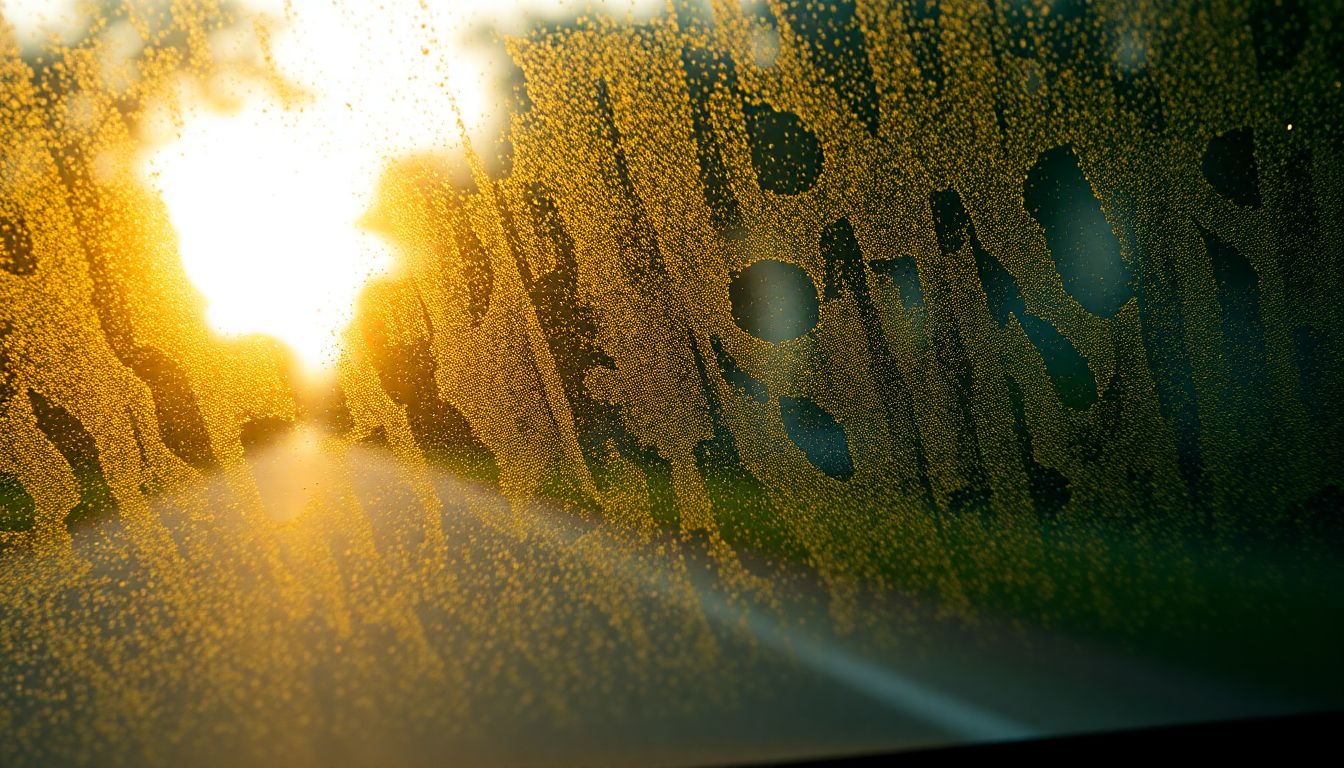
Spring in Houston means blooming trees and thick air. Pollen floats everywhere. It sticks to your car. Your windshield takes the worst hit. Yellow dust coats the glass. Visibility drops fast. You squint through the haze. Safe driving suffers.
We see this every year at Uni Auto Glass Houston. Drivers pull in with blurred views. Pollen mixes with rain or dew. It turns into a smeared mess. Wipers streak it around. Frustration builds.
Think of your windshield like the front window of your home. Dust gathers if you ignore it. Pollen acts the same way. It builds up layer by layer. Soon, you barely see the road ahead.
Common Signs of Pollen Buildup
You notice spots first. They spread quick. Colors dull under the film. Headlights reflect oddly at night. Your wipers drag instead of glide.
We handle all makes and models here. From sedans to RVs. Even commercial fleets face this issue. Pollen does not pick favorites.
Staying ahead keeps you safe. Clear glass means clear decisions behind the wheel. We want that for you.
What Makes Houston Pollen So Sticky
Houston’s humidity plays a role. Pollen lands dry. Moisture binds it tight. Trees like oaks release tons each season. Winds carry it miles.
Studies show Texas peaks in April and May. Counts hit thousands per cubic meter. Your car sits exposed. It collects nonstop.
We talk to customers daily. They park under oaks. Wake up to coated glass. One layer leads to more. It scratches if you rub wrong.
Picture pollen as fine sugar dust. It clings to everything. Shake it off once. It returns twice as thick.
Your habits matter. Park in a garage if you can. Still, some buildup happens. Know the enemy helps you fight it.
The Risks of Ignoring Windshield Buildup
Blurry glass distracts you. Reaction time slows. Accidents rise. Texas data links poor visibility to crashes. Pollen contributes.
Buildup hides cracks too. You miss small chips. They grow fast in heat. We repair those daily.
Legal issues add up. Texas law requires clear views. Tickets follow if stopped. Fines hurt your wallet.
We see fleets hit hard. Buses and semis carry loads. Drivers need sharp eyes. Pollen fogs their path.
Ask yourself this. Would you walk blindfolded? Driving with haze feels close. Clear it up now.
Small steps prevent big problems. Your safety depends on it.
Build a Simple Daily Cleaning Routine
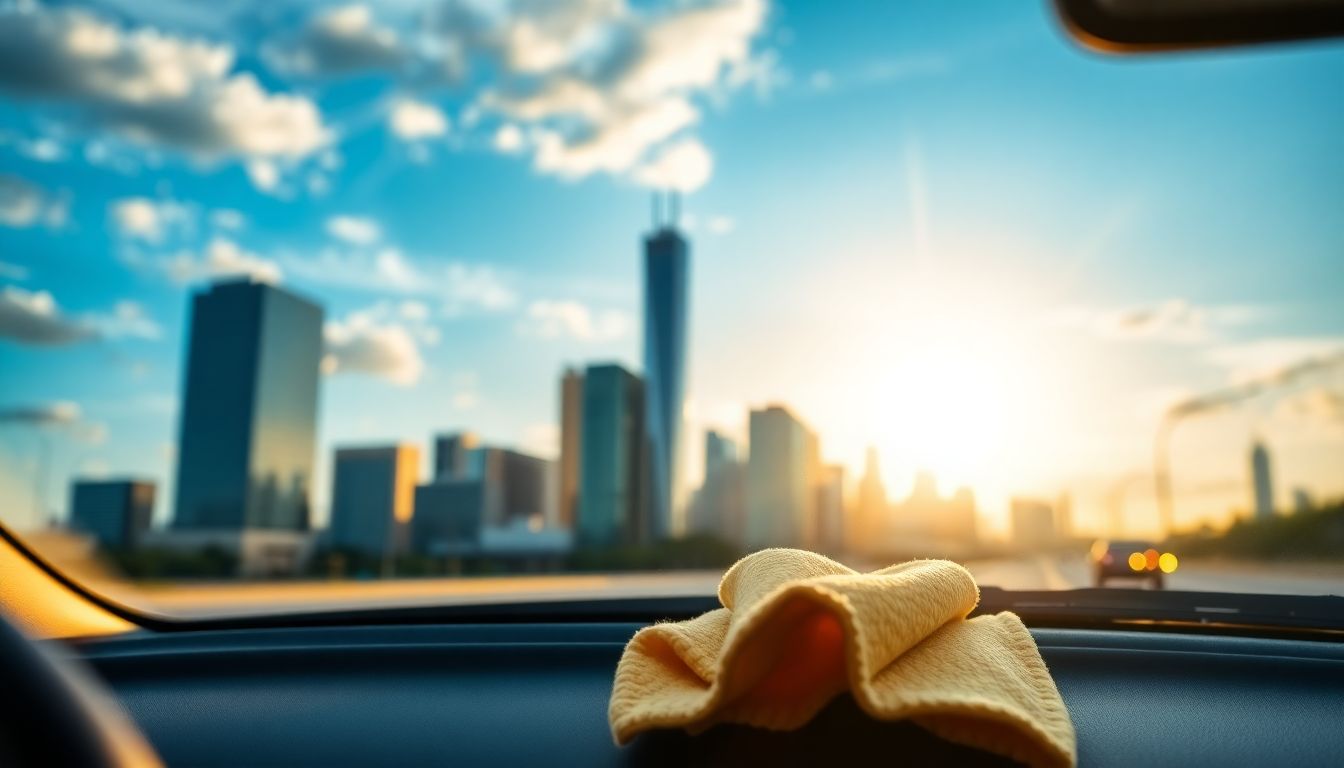
Start each morning with a wipe. Use a soft cloth. Dampen it slightly. Gentle pressure lifts pollen without scratches.
Rain helps sometimes. But it smears if thick. Dry days demand action. Park smart. Avoid tree lines.
We recommend quick checks. Before you drive. After parking. Consistency beats intensity.
Tools for Everyday Use
Grab microfiber towels. They trap dust fine. Spray bottles with water work. Add a drop of dish soap for tough spots.
Avoid paper towels. They leave fibers. Your glass stays hazy longer.
Make it a habit. Like brushing teeth. Your windshield thanks you.
Preventive Steps to Reduce Pollen Landing
Cover your car overnight. A light tarp blocks most. Secure it well. Wind flips loose ones.
Wash weekly. Full body cleans remove layers. Hose down the glass last. Let it air dry.
We service large vehicles too. RVs gather more. Fleets need schedules. Proactive saves time.
Trim nearby trees if you own land. Less source means less pollen. Community efforts help citywide.
Think ahead. April approaches. Prep now. Your routine smooths out.
Pick Safe Cleaners for Your Glass
Water alone works mild cases. Add vinegar for natural lift. Mix one part vinegar to ten water. Spray and wipe.
Commercial options exist. Look for ammonia-free. They protect wiper blades.
We test products in our shop. Streaks show poor choices. Clear results come from quality.
Cleaning Steps in Detail
- Spray the solution evenly.
- Wipe top to bottom.
- Buff dry with a fresh cloth.
- Check for spots under light.
Follow these. Your glass shines. No residue lingers.
Handle Tough Buildup Without Damage
Stubborn layers need patience. Soak first. Let cleaner sit five minutes. Then scrub soft.
Use a sponge edge. Circular motions lift grime. Rinse often. Fresh water prevents redeposit.
We see scratches from harsh tools. Razors gouge glass. Avoid them.
For RVs or semis, scale up. Larger areas take longer. Break into sections.
If it resists, stop. Pros handle the rest. Your effort goes far.
What Not to Do When Cleaning
Skip dry wiping. Pollen grinds like sand. Scratches form easy.
Household cleaners harm. Bleach etches glass. Ammonia clouds it over time.
Do not force wipers on dry glass. They skip and mark. Wet the surface first.
We repair damage from mistakes. Chips widen from poor habits. Save yourself the cost.
Listen to your tools. If they drag, switch methods. Gentle wins.
Maintain Wipers for Better Performance
Pollen wears blades fast. Rubber hardens. Replace every six months.
Check for tears. Smooth edges clear best. Uneven ones streak.
We stock all sizes. From cars to buses. Quick swaps keep you going.
Clean blades weekly. Wipe with alcohol. They glide smoother.
Good wipers pair with clean glass. The combo keeps sight sharp.
Spot Early Damage from Pollen Exposure
Signs to Watch For
Tiny pits appear. Pollen acids eat at edges. Cracks spider from there.
Heat expands them. Houston summers worsen it. Act in spring.
We inspect free. Spot issues before they spread. Early fixes cost less.
Fleets benefit most. Downtime hurts business. Regular checks prevent it.
Your vehicle deserves care. Pollen tests it hard.
When Professional Help Makes Sense
Deep scratches call us. We polish them out. Replacement if needed.
Chips over a quarter inch? Repair now. Full swaps for big cracks.
At Uni Auto Glass Houston, we serve the Greater Houston area. Since 1994. All vehicles welcome.
Commercial needs? We handle fleets. Buses, semis, RVs. Fast turnarounds.
Our Approach to Service
- Free estimates on site.
- Quality glass matches OEM.
- Warranty on all work.
- Mobile service for convenience.
Pollen season passes. But clear driving lasts. Contact us today. Schedule that check. Drive safe.