Your Guide to a Clear Interior Windshield
Why a Clear Interior Windshield Matters
It’s easy to focus on chips and cracks on the outside of your windshield. They’re pretty obvious. But what about the inside? That fuzzy, filmy layer that creeps in can be just as dangerous, if not more so. I’ve spent enough time behind the wheel in Houston to know that a clear view isn’t just a luxury, it’s a necessity.Think about it. When glare hits that film, it streaks and blurs your vision. Especially at night, with headlights coming at you, or in the early morning sun. It’s like trying to see through a dirty window pane. You might miss important signals or, worse, a pedestrian stepping out.The interior windshield gets dirty from a lot of things. Off-gassing from your dashboard plastics creates a film. The stuff we track in on our shoes, like dust and pollen, can get airborne. Even the simple act of breathing in your car can contribute. All of it settles on that glass. Keeping it clean is a crucial part of your vehicle’s safety.
Understanding What Causes Interior Haze
So, what exactly creates that stubborn haze on the inside of your car? It’s usually a combination of factors, and understanding them helps us fight back.One of the biggest culprits is “off-gassing.” Many car interiors, especially newer ones, are made with plastics, vinyl, and adhesives. When these materials heat up from the sun, they release volatile organic compounds (VOCs). These invisible gases then condense on the coolest surface, which is often your windshield. Over time, this builds up into a greasy film.Then there’s the everyday grime. Think about the dust that settles on your dashboard and then gets stirred up when you drive. You also track in dirt, pollen, and other debris from outside. Your HVAC system, even when recirculating air, can pull in dust and particles. All of this can land on your windshield.Even your own touch can leave residue. When you use your defroster or run the AC, the air currents can carry moisture and particles to the glass. If you’ve ever touched your dashboard and the steering wheel, you’ve picked up oils and residues. These can easily transfer to the windshield. It’s a constant battle with the micro-environment inside your car.
The Right Tools for the Job
You wouldn’t paint a masterpiece with just a broom, right? Cleaning your interior windshield requires the right gear. Using household cleaners or paper towels can actually make things worse, leaving streaks or lint behind.What you need are microfiber cloths. Seriously, these are magic. Get at least two. One for cleaning, and one for buffing dry. Microfiber is designed to trap dirt and absorb liquid without scratching or leaving lint. It’s gentle yet effective.For the cleaning solution, I always recommend a dedicated automotive glass cleaner. These are formulated to cut through the grease and grime without damaging tint or interior surfaces. Avoid ammonia-based cleaners if you have tinted windows, as ammonia can degrade the tint over time. Look for a streak-free formula.Some people like to use a glass cleaning sponge or applicator pad, especially for those hard-to-reach corners. These can help apply the cleaner evenly. But the real key is the microfiber. It’s the workhorse that will give you that streak-free finish.
Step-by-Step: Cleaning Your Windshield’s Interior
Let’s break down how to actually get that interior glass sparkling clean. It’s not complicated, but a little technique goes a long way.First, park your car in a shady spot. Direct sunlight can dry your cleaner too fast, causing streaks before you can even wipe them away. Open your doors to get good access and ventilation. You don’t want to feel cooped up while you’re cleaning.Start by lightly spraying your automotive glass cleaner onto one of your microfiber cloths, not directly onto the glass. This prevents overspray onto your dashboard or other surfaces. Then, wipe the windshield in a systematic pattern. I like to go top to bottom, side to side. You can also wipe in horizontal strokes and then immediately follow with vertical strokes to catch any missed spots and ensure a streak-free finish.Pay attention to the corners and the edges where the glass meets the dashboard and pillars. These spots often hide a lot of grime. You might need to fold your cloth to get into these tight areas.Once you’ve applied the cleaner, take your second, dry microfiber cloth. Buff the glass in a similar pattern, again working top to bottom or side to side. This second pass is crucial for removing any remaining residue and achieving that perfect clarity. Inspect your work from different angles. If you see any streaks, a bit more buffing should sort it out.
Tackling Stubborn Haze and Smudges
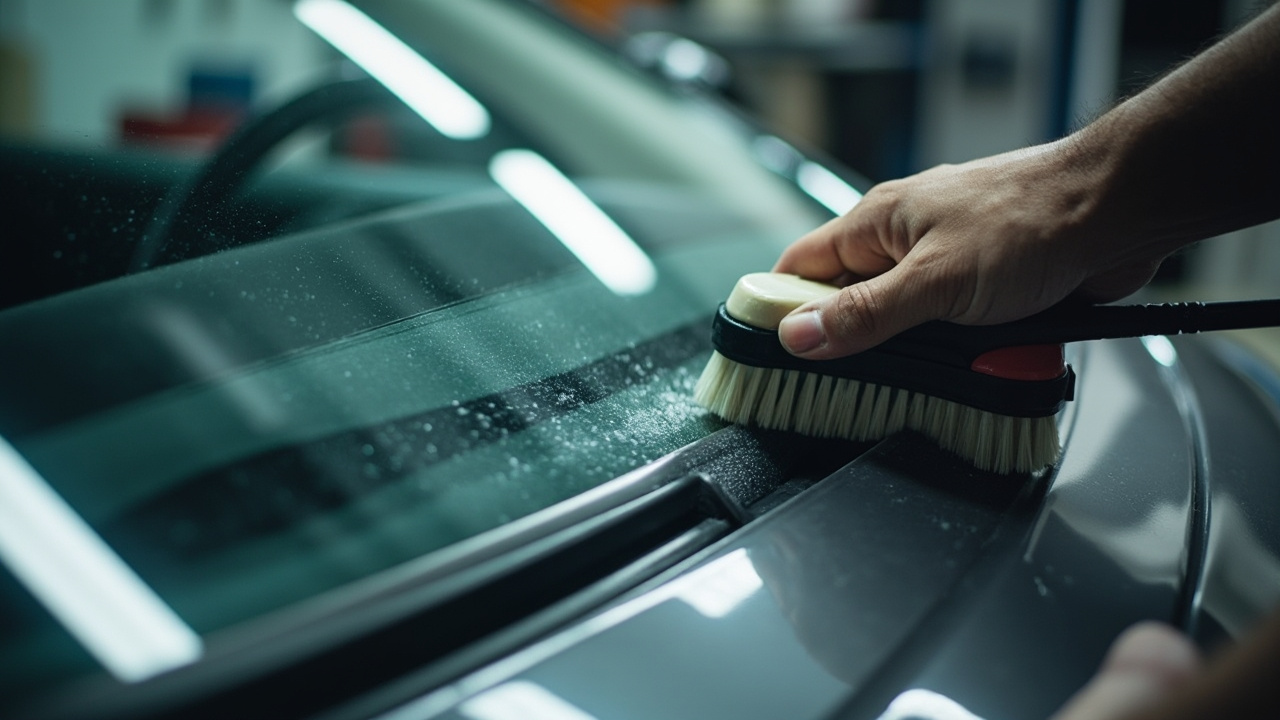
Sometimes, the regular cleaning routine isn’t enough. That thick, greasy film can be tough. What can you do when your go-to method isn’t cutting it?For really stubborn films, you might need a slightly stronger approach. Some detailers recommend using a glass polish. These are mildly abrasive and designed to lift tough contaminants without scratching. Apply a small amount to a clean applicator pad and work it into the glass in small sections. Then, wipe away with a clean microfiber cloth.Another trick is to use a slightly damp cloth first for the initial wipe-down, followed by your glass cleaner. The damp cloth can help lift some of the heavy, stuck-on grime. If you don’t have a dedicated automotive cleaner handy, a solution of half distilled water and half white vinegar can work in a pinch for tough spots, but again, be cautious with tinted windows. Always test in an inconspicuous area first.Don’t forget about the edges and corners. Sometimes the buildup there is so concentrated that you need to use a detailing brush or a cotton swab with cleaner to get into those tight spots. It takes patience, but getting all the film off is key.
Preventing the Haze from Coming Back
Cleaning is great, but wouldn’t it be better if you could stop that haze from building up so quickly? Prevention is always better than a cure, right?One of the simplest ways to prevent interior haze is to be mindful of what you put in your car. Try to avoid placing plastic items directly on the dashboard. If you do use air fresheners, opt for vent clips or sprays rather than dashboard dash products that can contribute to off-gassing.Regularly cleaning your dashboard and interior surfaces helps. When you wipe down your dash with an interior protectant (one that doesn’t leave a greasy residue), you’re removing dust and potential off-gassing contributors before they can reach your windshield. A quick wipe-down of the dashboard and surrounding areas every few weeks can make a big difference.Using your car’s ventilation system wisely can also help. Instead of always recirculating air, especially in humid Houston where many of us drive, use the fresh air intake more often. This brings in cleaner air from outside and can help reduce the concentration of interior VOCs.Keep your cabin air filter clean. A clogged filter can’t do its job effectively, meaning more dust and pollutants can circulate in your cabin and eventually settle on your windshield.
Mistakes to Avoid When Cleaning
We’ve talked about what to do, but it’s just as important to know what not to do. Making a few common mistakes can undo all your hard work, or even create new problems.Using the wrong cleaners is a big one. As I mentioned, ammonia-based cleaners can be bad for tinted windows. Also, avoid general household cleaners like Windex if you’re unsure about their ingredients, as they might contain harsh chemicals that could damage your interior trim.Paper towels or old t-shirts are also a no-go. They’re abrasive and leave behind lint and streaks. Think of them like sandpaper for your glass compared to microfiber. You’ll end up with a dirtier, hazier windshield than when you started.Wiping a dry windshield with cleaner is another common error. Always spray the cleaner onto your cloth first. This gives you more control and prevents overspray. Spraying directly onto the glass, especially a hot windshield, leads to rapid drying and annoying streaks.Don’t forget the edges. If you only clean the middle of the windshield, the grime at the edges will just spread as you drive. It’s like mopping the floor but leaving dirt in the corners – it doesn’t look right, and it’s still a hazard.
The Role of Ventilation in Clarity
Your car’s ventilation system plays a surprisingly significant role in keeping your interior windshield clear. It’s not just about comfort; it’s about air quality and contributing to that dreaded haze.When you use the recirculation setting on your AC or heater, you’re essentially trapping the air already inside your car. If that air is carrying VOCs from off-gassing, dust from your interior, or skin oils, you’re just circulating them around. This means more particles have the chance to land on and stick to your windshield glass.Switching to the fresh air intake setting brings in air from outside. While Houston can have its share of pollen and humidity, bringing in fresh air helps dilute the concentration of pollutants that build up inside your cabin. Over time, less recirculated air means less opportunity for that greasy film to form.Pay attention to your cabin air filter, too. This filter cleans the air that comes into your cabin, whether from the outside or when recirculating. If it’s dirty or needs replacement, it can’t effectively trap dust, pollen, and other particles. These particles can then bypass the filter and settle on your windshield.So, think of your ventilation system and cabin air filter as your first line of defense against internal windshield haze. Keeping these clean and using the fresh air setting strategically can really help maintain a clearer view.
When to Consider Professional Auto Glass Service
While keeping your interior windshield clean is something you can definitely handle yourself, there are times when professional auto glass service is the better option. Sometimes, the haze isn’t just from everyday grime.If you notice that no matter how much you clean, there’s still a persistent fogging or a layer that won’t come off, it could indicate a seal issue. The seals around your windshield keep moisture and contaminants out. If they’re compromised, moisture can get trapped between the layers of glass, causing fogging that you can’t wipe away.Similarly, if you have a small rock chip or crack that you’ve been ignoring, the tiny openings can allow moisture and dirt to penetrate the glass. This can create internal hazing or discoloration that’s impossible to clean from the outside or inside.Damage to your windshield, whether it’s a chip, crack, or a failing seal, compromises the integrity of the glass. This not only affects visibility but can also weaken the entire windshield, which is a critical safety component. It’s designed to support the roof of your car and deploy airbags correctly.For Houston drivers, dealing with the weather changes and road conditions means your auto glass takes a beating. If you suspect more than just surface-level dirt is causing your visibility issues, it’s time to get it checked out by experts who know auto glass inside and out.
Why Uni Auto Glass Houston is Your Solution
When your view is compromised, and simple cleaning isn’t enough, or if you’ve noticed actual damage to your windshield, you need reliable, expert service. Here at Uni Auto Glass Houston, we understand the importance of a clear and safe windshield.We’ve been serving the Greater Houston area since 1994, building a reputation for quality workmanship and customer satisfaction. Whether you’re driving a compact car, a large commercial truck, an RV, or a bus, we have the expertise and the right materials to handle it.Our technicians are trained to identify the root cause of your visibility problems. If it’s a stubborn interior film that’s beyond your cleaning capabilities, we can address it. More importantly, if there’s any damage to your glass—even small chips that can lead to internal fogging—we can repair or replace it to restore your vehicle’s safety and your clear view.We work with all makes and models, so no matter what you drive, we’ve got you covered. Let us take the worry out of your auto glass needs. A clear windshield means safer driving for you, your passengers, and everyone else on the road.
Your Next Step for a Crystal Clear View
Maintaining a clear interior windshield is an ongoing process, but it’s a vital one for your safety and driving experience. By using the right tools and techniques, you can significantly reduce that frustrating haze and keep your view sharp. Remember the key takeaways:
- Understand that off-gassing and everyday grime cause interior haze
- Use microfiber cloths and automotive-specific glass cleaners.
- Clean in shady spots, spray cleaner onto the cloth, and buff thoroughly.
- Preventative measures like using fresh air intake and clean cabin filters help.
If you’ve tried cleaning and still struggle with visibility, or if you suspect actual damage to your windshield, don’t wait. A damaged windshield is a safety hazard. For expert auto glass repair and replacement services right here in Houston, trust the team at Uni Auto Glass Houston. We’re ready to help you get back to seeing the road clearly and safely.
Contact us today to schedule your appointment or get a free quote!