What Happens with ADAS Recalibration After Your Windshield Replacement
Why ADAS Recalibration Matters After a Windshield Swap
Your car’s Advanced Driver Assistance Systems, or ADAS, rely on cameras and sensors often mounted behind the windshield. When you replace that glass, those systems might need a tune-up. We see this a lot at Uni Auto Glass Houston. A small shift in position can throw off alignments. You want your lane-keeping assist or automatic braking to work as they should.
Think of it like adjusting a scope on a rifle. Everything looks off if it’s not lined up. Skip this step, and you risk faulty alerts or no alerts at all. We’ve helped countless Houston drivers get back on the road safely since 1994. Safety features save lives, and proper recalibration keeps them reliable.
Most modern vehicles from major makes need this. If your car has features like adaptive cruise control, it likely applies. We check every job to spot if recalibration fits your model.
Understanding ADAS Basics
ADAS stands for Advanced Driver Assistance Systems. These tools use tech to help you drive safer. Cameras, radar, and lidar feed data to your car’s computer. They watch for hazards and assist you.
We install glass on everything from sedans to RVs here in Houston. Many of these vehicles pack ADAS. It started simple with parking sensors. Now it includes collision avoidance. Your car scans the road ahead through the windshield.
Without recalibration, a new windshield can misalign those views. You might get false warnings. Or worse, miss real dangers. Ask yourself, do you know which features your car has? A quick check with us can clarify.
Key ADAS Features Tied to the Windshield
Several ADAS parts depend on the windshield area. Forward-facing cameras sit right behind the glass. They handle tasks like lane departure warnings.
Automatic emergency braking uses those same cameras to spot obstacles. Head-up displays project info onto the windshield. If the glass moves even slightly, the projection blurs.
Pedestrian detection and traffic sign recognition also rely here. We handle all makes and models at Uni Auto Glass Houston. From buses to semis, we see how these systems vary. Your owner’s manual lists them, but we confirm during service.
Lane-Keeping and Adaptive Cruise
Lane-keeping assist steers you back if you drift. Adaptive cruise maintains speed and distance. Both need clear sight lines. A replaced windshield can fog those lines without recalibration.
Blind Spot and Forward Collision
Blind spot monitoring glances sideways but ties into front cameras. Forward collision prep brakes if needed. Precision counts in Houston traffic. We ensure every system syncs post-replacement.
Signs You Need Recalibration
Not every windshield job requires it, but many do. Look for warning lights on your dash after replacement. A camera icon or stability control alert signals trouble.
Your car might beep randomly or ignore lanes. If emergency braking feels off, that’s another clue. We test these at Uni Auto Glass Houston before you leave.
Vehicle age plays a role. Newer models from 2018 on often demand it. Commercial fleets like your semi or RV? They usually need full checks. Skip it, and insurance claims complicate if an accident happens.
Here’s a quick list of common signs:
- Dash lights for cameras or sensors stay on.
- Lane assist pulls wrong or not at all.
- Adaptive cruise won’t engage.
- Collision warnings trigger falsely.
We spot these early to save you headaches.

Types of ADAS Recalibration
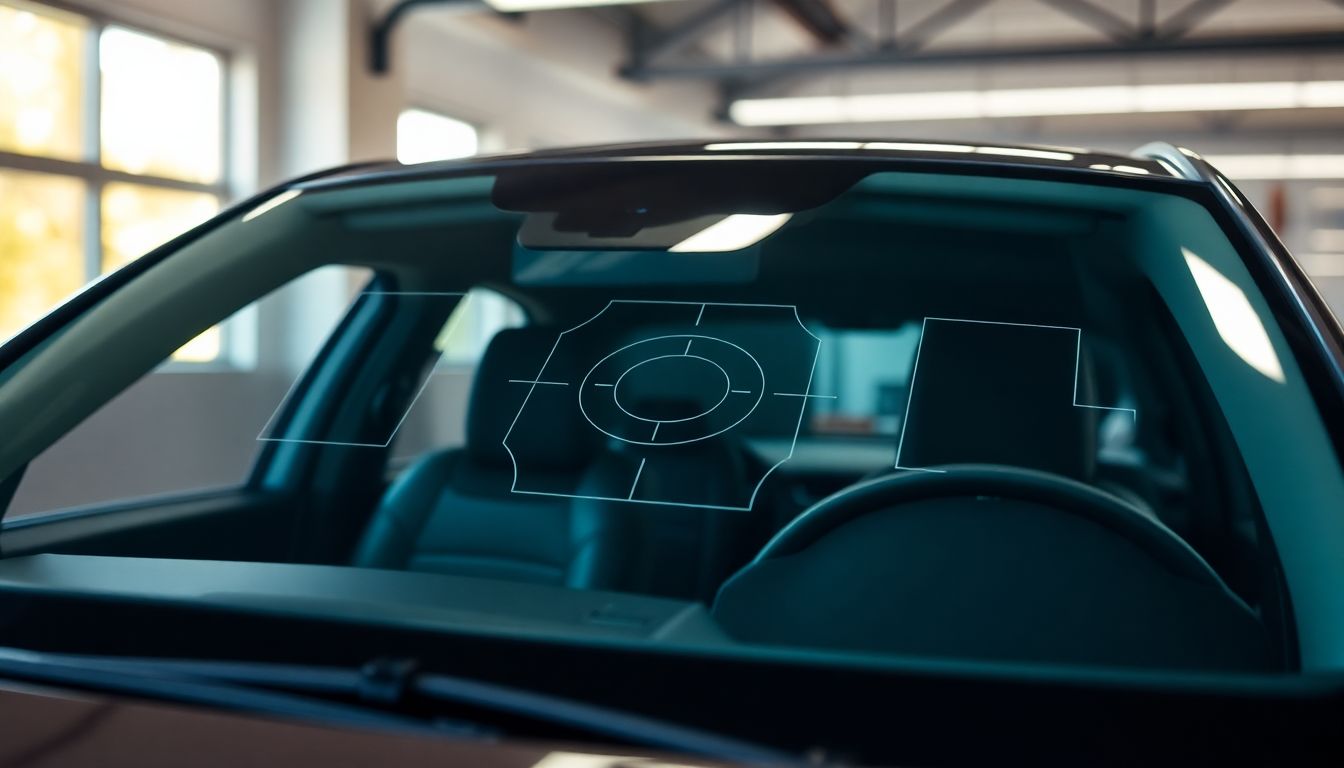
Two main types exist: static and dynamic. Static uses targets in a shop. You park, and techs align cameras to fixed points.
Dynamic happens on the road. Your car learns as you drive set routes. We choose based on your model at Uni Auto Glass Houston.
Static suits most jobs. It’s quick and controlled. Dynamic fits if shop space lacks. Both ensure accuracy.
Static Recalibration Details
Techs place calibration targets at precise distances. Software runs tests. The car adjusts its sensors. This method works for lane cameras and braking systems.
Dynamic Recalibration Process
You drive straight roads at speeds over 20 mph. The system calibrates via real-world input. It takes longer but verifies on actual paths. We guide you through it safely.
The Step-by-Step Recalibration Process
We start with your windshield install. Once glass sets, we scan for ADAS needs. Our tools connect to your car’s system.
For static, we set up the bay. Targets go in place. You sit inside while we run the software. It takes 30 to 60 minutes.
Dynamic follows a drive. We provide a route map. You follow lines and speeds. Back at the shop, we confirm.
Every step includes tests. We check warnings and assists. You drive away knowing it’s right. Our team handles buses and RVs too, with specialized equipment.
What if issues arise? We troubleshoot on site. No guesswork here.
Why Choose Professional Recalibration
DIY kits exist, but they fall short. Pros use OEM tools for exact matches. Your car’s computer demands specific calibrations.
At Uni Auto Glass Houston, we train on all systems. Wrong alignment risks safety. We’ve seen misalignment cause near-misses.
Shops without gear might skip it. That saves money short-term but costs later. Insurance often requires proof of recalibration for claims.
Our service covers Greater Houston. From chips to full replacements, we integrate recalibration seamlessly.

Costs and Time for ADAS Recalibration
Expect $100 to $300 extra on your windshield job. Static runs cheaper and faster. Dynamic adds time due to the drive.
Total time? Windshield install takes an hour. Add one to two hours for recalibration. We schedule to fit your day.
Factors affect price. Your model matters. Luxury cars need advanced tools. Fleet vehicles get volume rates.
At Uni Auto Glass Houston, we quote upfront. No surprises. Insurance covers much for safety features.
Compare to repair costs from errors. A fix after an accident dwarfs this fee.
What to Expect After Recalibration
Your systems reset clean. No more dash lights. Assists respond smoothly.
Test it on your first drive. Lane-keeping should nudge gently. Braking feels prompt.
We provide a report for records. Keep it for warranty or insurance. If issues pop later, bring it back.
Routine maintenance helps too. Clean your windshield regularly. Dirt can mimic misalignment.
Our customers report peace of mind. One fleet manager said it cut their downtime.
Common Myths About Recalibration
Some think all replacements need it. Not true. Older cars or basic models often skip.
Others believe it’s always extra pricey. Most insurers offset it as safety.
A myth says home kits work fine. They lack precision for complex systems.
Don’t ignore the need. Proper care prevents bigger problems.
Here’s what we hear most:
- Recalibration only for new cars. Wrong, many mid-range need it.
- It takes all day. Usually under two hours total.
- You can drive without it. Risky and often illegal.
We clear up these points daily.
How We Make It Easy at Uni Auto Glass Houston
With over 25 years in Houston, we specialize in auto glass repair and replacement. Our shop equips for ADAS on all vehicles, from cars to large trucks.
We use certified glass and tools. Techs stay current on updates. You get mobile service too for fleets.
Call us for a free quote. We assess over the phone or on site. Your safety drives us.

Get Your ADAS Checked Today
Recalibration keeps your drive safe after windshield work. We cover the details so you don’t have to worry.
At Uni Auto Glass Houston, we handle it all. From crack repairs to full calibrations.
Ready for service? Contact us now. Schedule in the Greater Houston area. Your next safe mile starts here.